Most workplaces keep a first aid kit and a named first aider, yet the next person who needs help may be struggling quietly rather than bleeding. Our First Aid for Mental Health courses apply the same aims and rules to a colleague in crisis, at your own premises across Berkshire and the surrounding areas.
In Short
- The three aims and four rules of first aid in two plain sentences
- How long Emergency First Aid at Work and mental health courses take
- A checklist of the signs that mean you call 999 straight away
- How to open an airway and control serious bleeding safely
- The workplace factors that decide how much first aid cover you need
- What to record, restock and talk through after an incident
Our first aid courses hold FAIB accreditation and our mental health courses are FAA awards, taught by our own in-house trainers. If your team needs first aid for mental health beyond Berkshire, we also deliver mental health first aid training in Milton Keynes.
Ask Aim2Aid First Aid and Fire Safety Training for a quote and train your team in Berkshire before the next incident tests them.
What are the 3 aims and 4 rules of first aid?
The 3 aims of first aid are to preserve life, prevent deterioration and promote recovery, often called the three Ps. The 4 rules that serve those aims are to keep calm and make the scene safe, maintain the airway, control haemorrhage, meaning serious bleeding, and get professional help early by calling 999 or 112.
Book Aim2Aid First Aid and Fire Safety Training to teach your team the three aims and four rules, for body and mind, at your own premises.
How long first aid lasts and how long it takes to learn
In a real incident, first aid is an interim measure. It covers the time between someone collapsing, bleeding or going into crisis and the moment a paramedic takes over. That window is short in a town centre and longer on a remote site, and the three aims govern every minute of it.
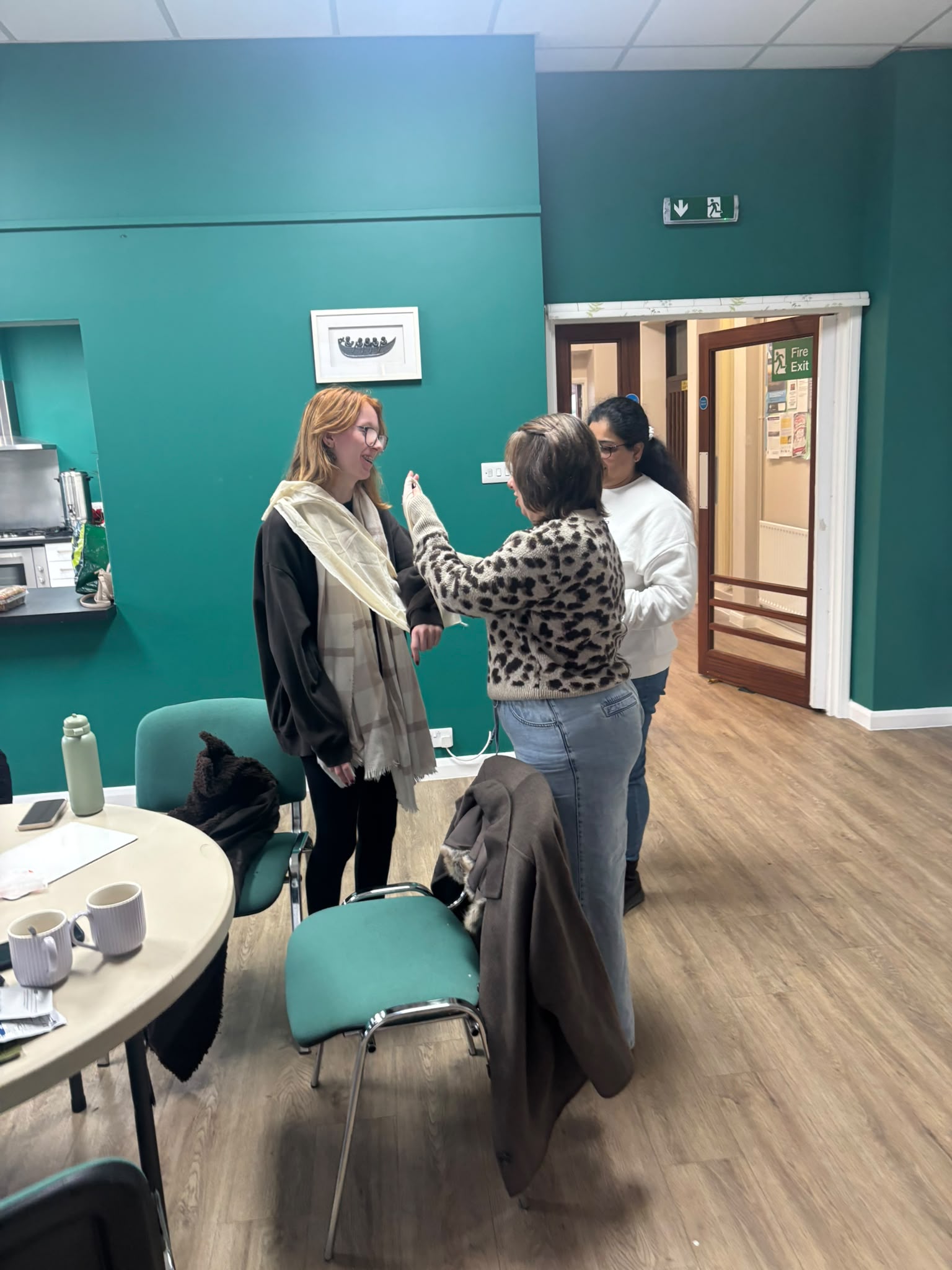
Learning them properly is quick. An Emergency First Aid at Work course runs for one day, about six hours, for up to 12 delegates, and the certificate lasts three years. Blended delivery is an option: your team completes the theory online at a time that suits them, then spends a full day on face-to-face practical training with one of our trainers. Because we always train at your own premises, nobody loses time to travel and the workplace keeps running.
The same three aims sit at the heart of mental health first aid training. Our FAA Level 1, 2 and 3 awards run from a half-day awareness session to a two-day Level 3 for managers and supervisors, and they teach you to preserve life where someone is at risk, prevent a crisis deepening and point the person towards recovery. If your staff need first aid for mental health alongside their physical skills, we deliver mental health first aid in Reading and across Berkshire.
The signs that tell you how serious it is
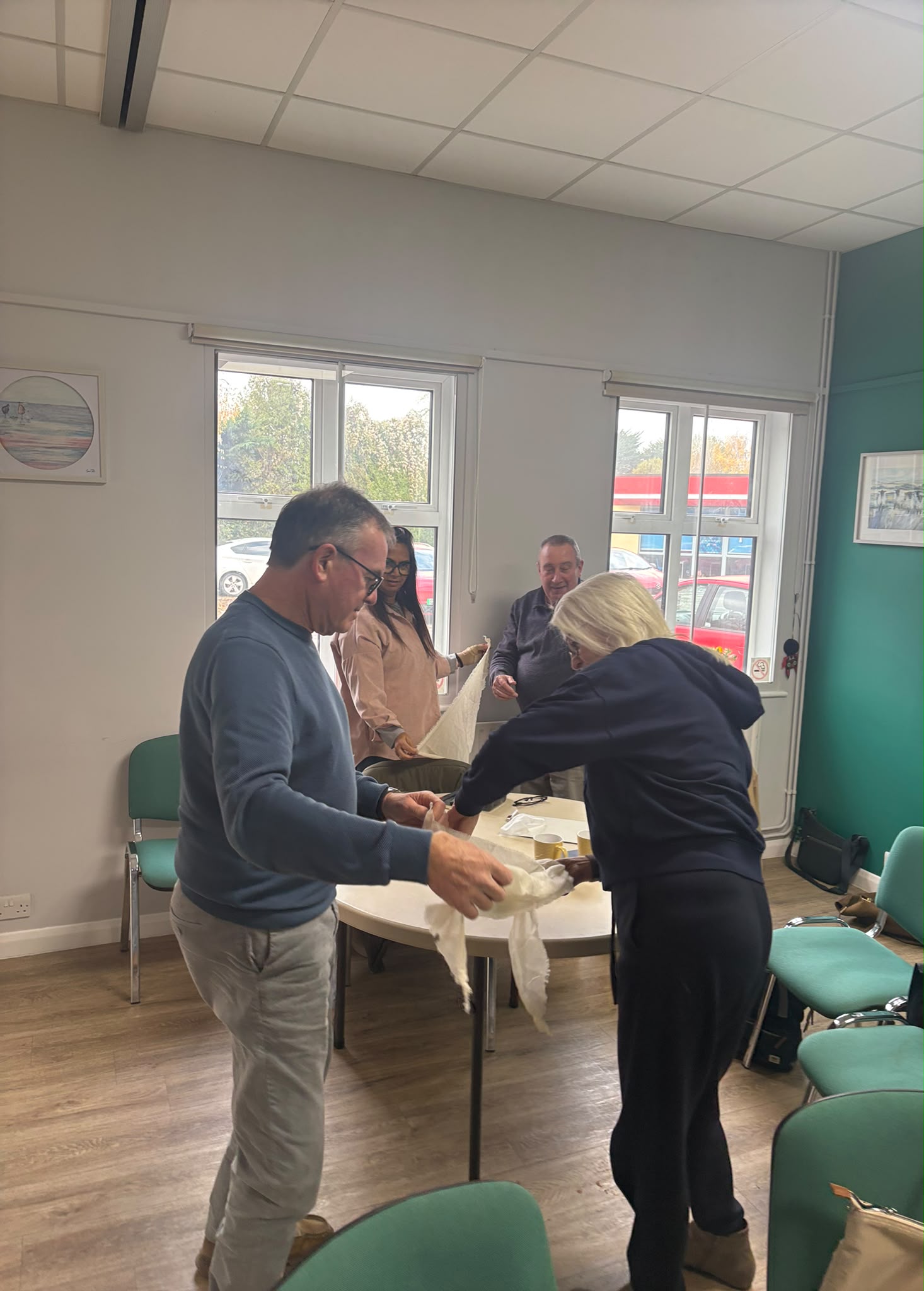
The rules only work if you read the casualty correctly. A quick primary survey tells you where you stand: danger, response, airway, breathing and circulation. Training drills it into a sequence, so keeping calm becomes a method rather than a hope.
Call 999 or 112 straight away for any of these:
- No response, or a casualty getting harder to rouse
- Breathing that is absent, noisy, gasping or otherwise abnormal
- Bleeding that is spurting, pooling or soaking through a dressing
- Chest pain or pressure spreading to the arm, jaw or back
- Sudden facial droop, arm weakness or slurred speech
- Pale, cold, clammy skin with a fast, weak pulse, the signs of shock
- Anyone who talks about ending their life or has a plan to harm themselves
Quieter signs matter too. A colleague who has withdrawn or seems unable to cope may not be in a critical condition today, yet the aim to prevent deterioration applies to them as much as to a wound.
What a first aider can do and where professional care takes over
Each rule has a safe, practical version a trained first aider can carry out:
- Keep calm: check for danger such as traffic, electricity or fire, and never become a second casualty.
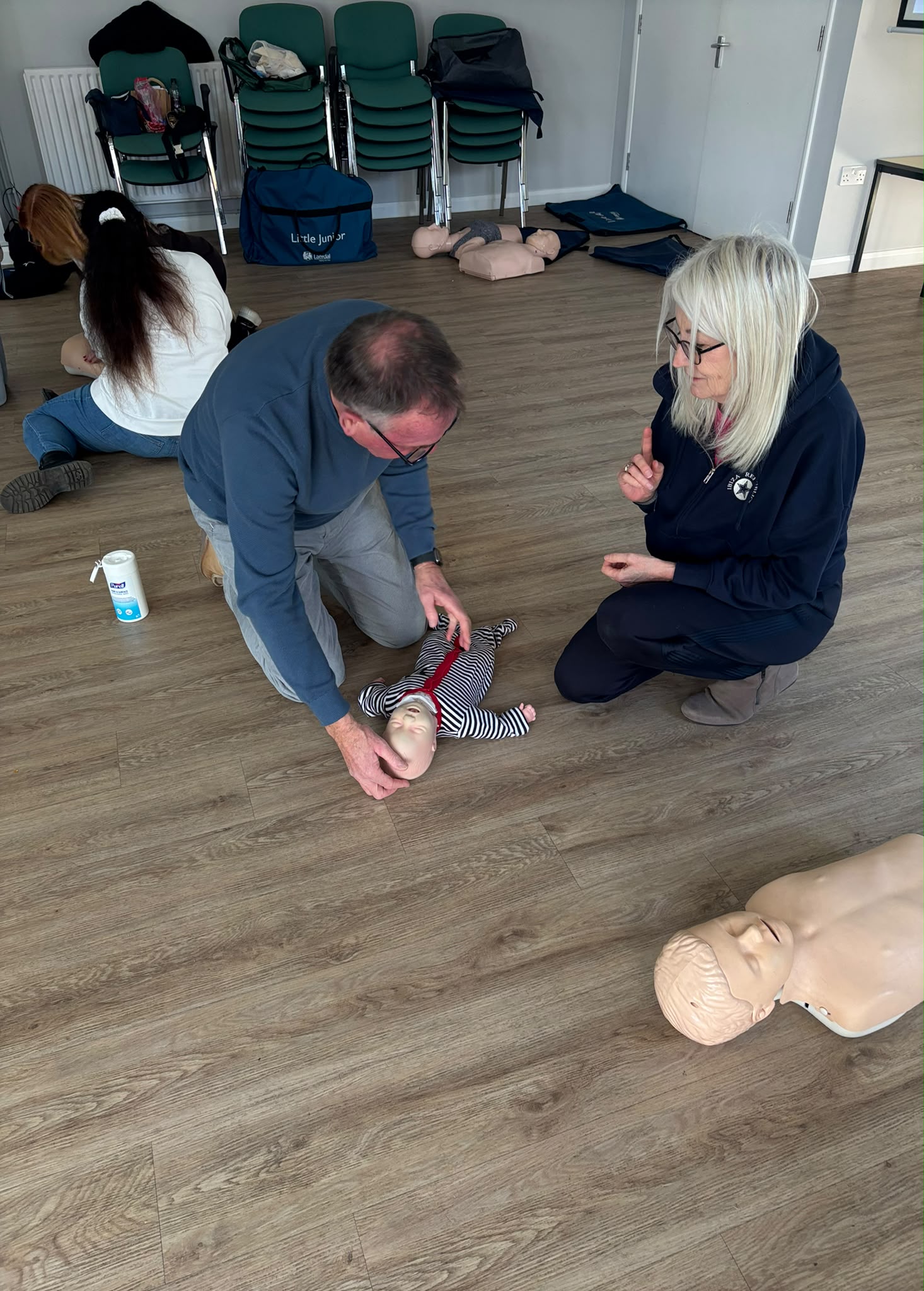
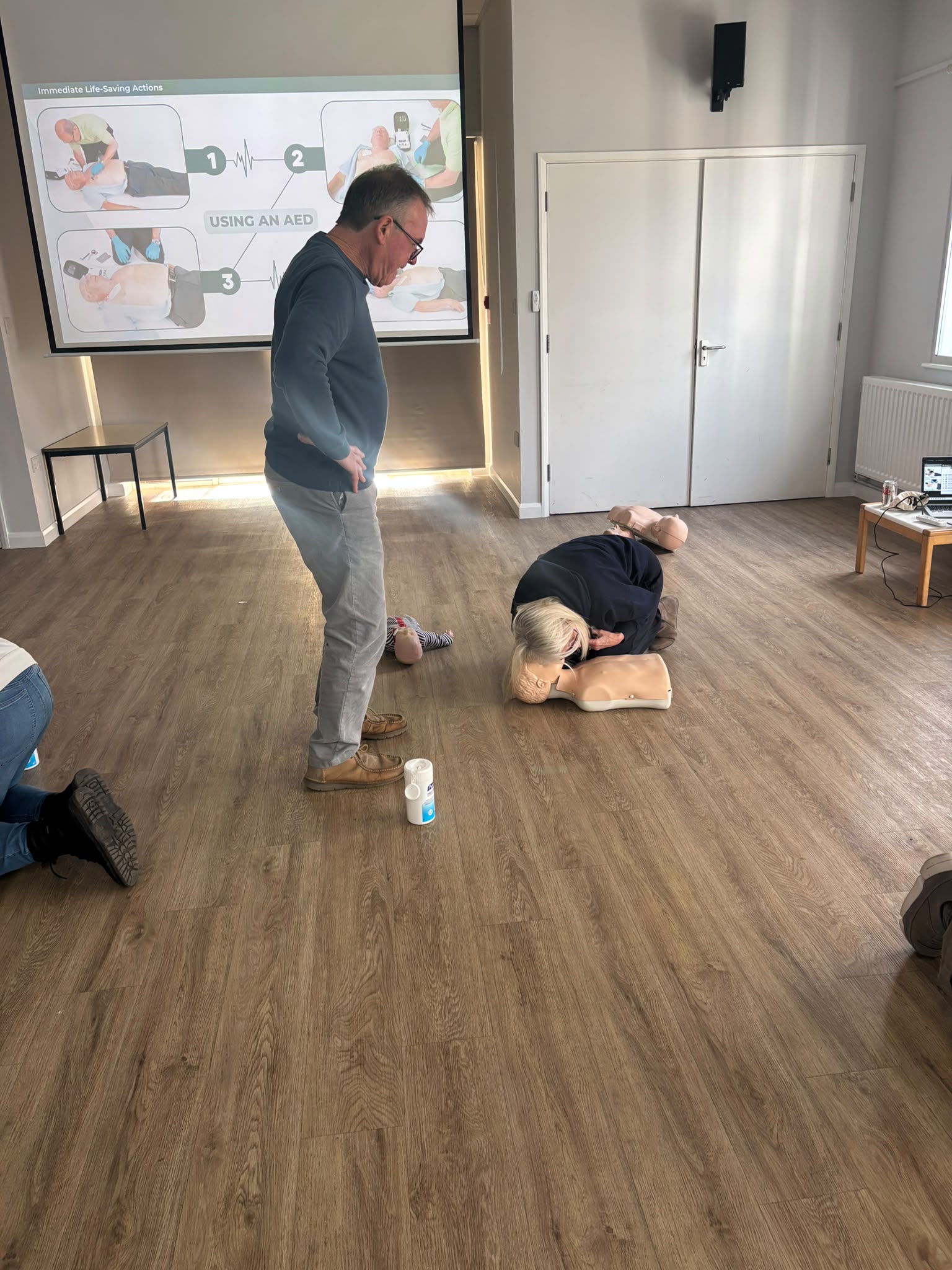
- Maintain the airway: on an unresponsive casualty, tilt the head back and lift the chin, then check for normal breathing for no more than ten seconds. If they are breathing, the recovery position keeps the airway clear. If not, start CPR and send someone for a defibrillator.
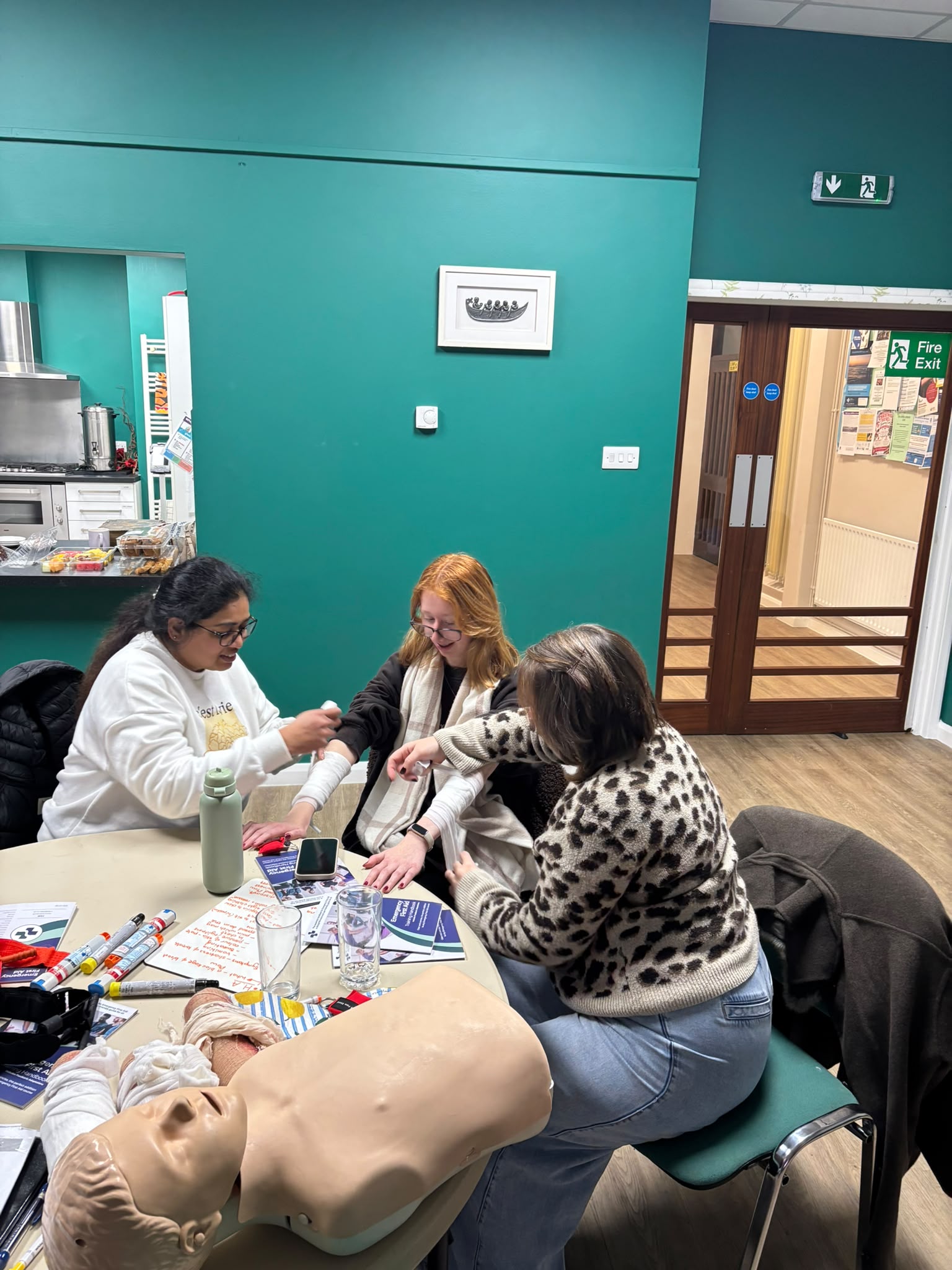
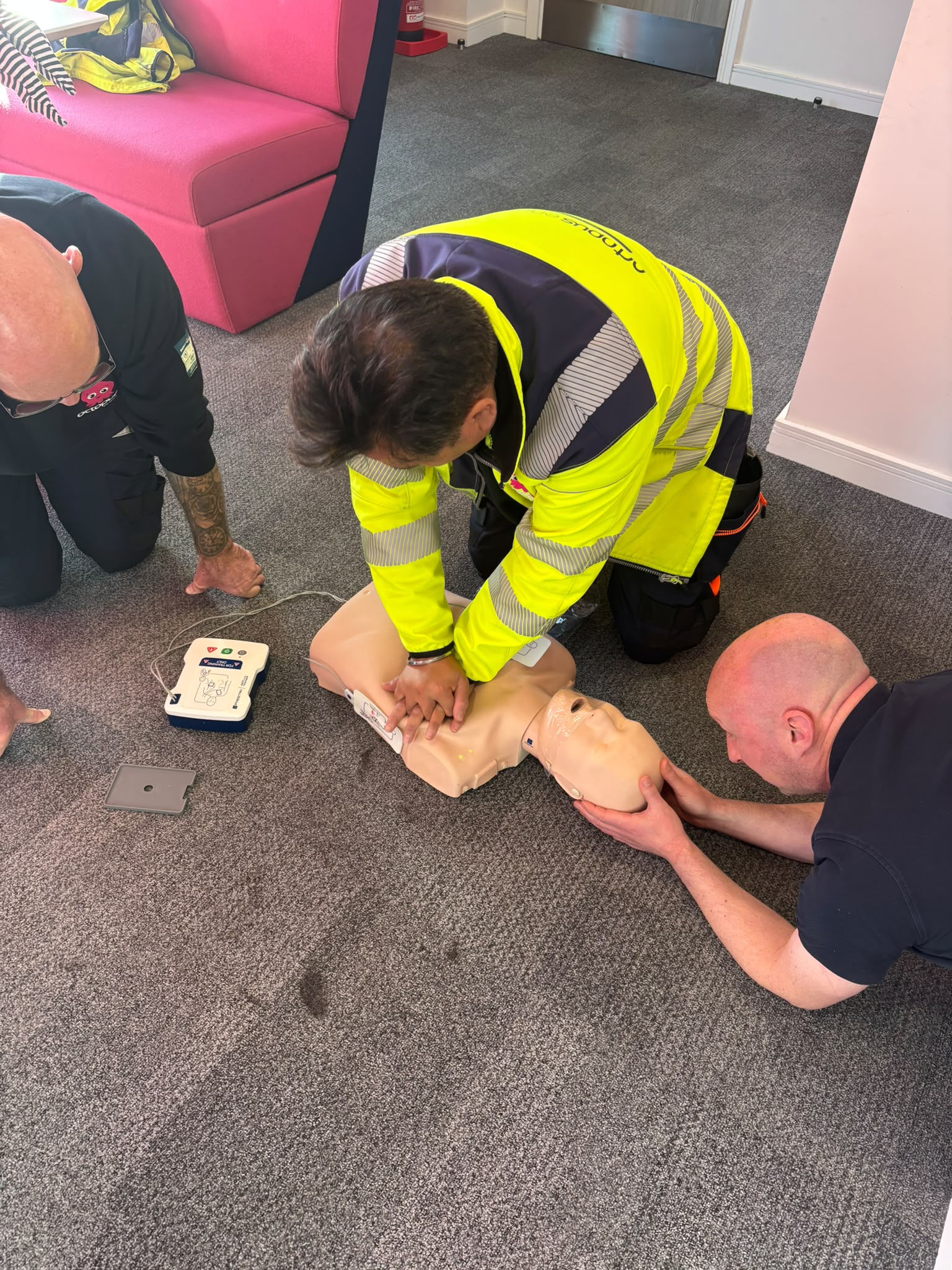
- Control haemorrhage: apply firm, direct pressure with a dressing or clean pad and keep it there. Life-threatening bleed control is now trained on every one of our courses.
- Get help: call 999 or 112, give a clear location, and stay with the casualty until a clinician takes over.
Handling and transport are where well-meaning people do harm. Do not move a suspected spinal injury unless the scene is unsafe, and do not drive a seriously ill person to hospital when an ambulance brings treatment to them. Giving medication or pain relief, beyond helping someone take their own, is a matter for clinicians. The same four rules appear in animal first aid, where the last becomes seeking veterinary assistance, which shows how universal they are.
The boundary is the same for mental health. A first aider listens, keeps the person safe and guides them towards their GP, NHS 111 or crisis services; diagnosis and treatment belong to professionals.
What decides the right level of cover for your workplace
The aims and rules never change, but the training needed to apply them does. As Health and Safety Executive (HSE) guidance on first aid at work sets out, employers have a legal duty of care to assess their first aid needs and provide enough trained people and equipment to match. The factors that shape that assessment include:
- The hazards on site, since an office carries different risks from a workshop
- Headcount and shift patterns, so a first aider is present whenever people work
- Lone or remote working, where help takes longer to arrive
- Who you look after, as nurseries and schools need paediatric first aid
- Whether a defibrillator is on site and staff can use it
- The pressure your team works under, which shapes how much mental health first aid cover makes sense
A lower-risk workplace is often covered by Emergency First Aid at Work, while higher-risk sites need the three-day First Aid at Work course. Our first aid courses carry FAIB accreditation and our mental health courses are FAA awards, so each certificate matches the course it records.
What to do after an incident and getting your team trained
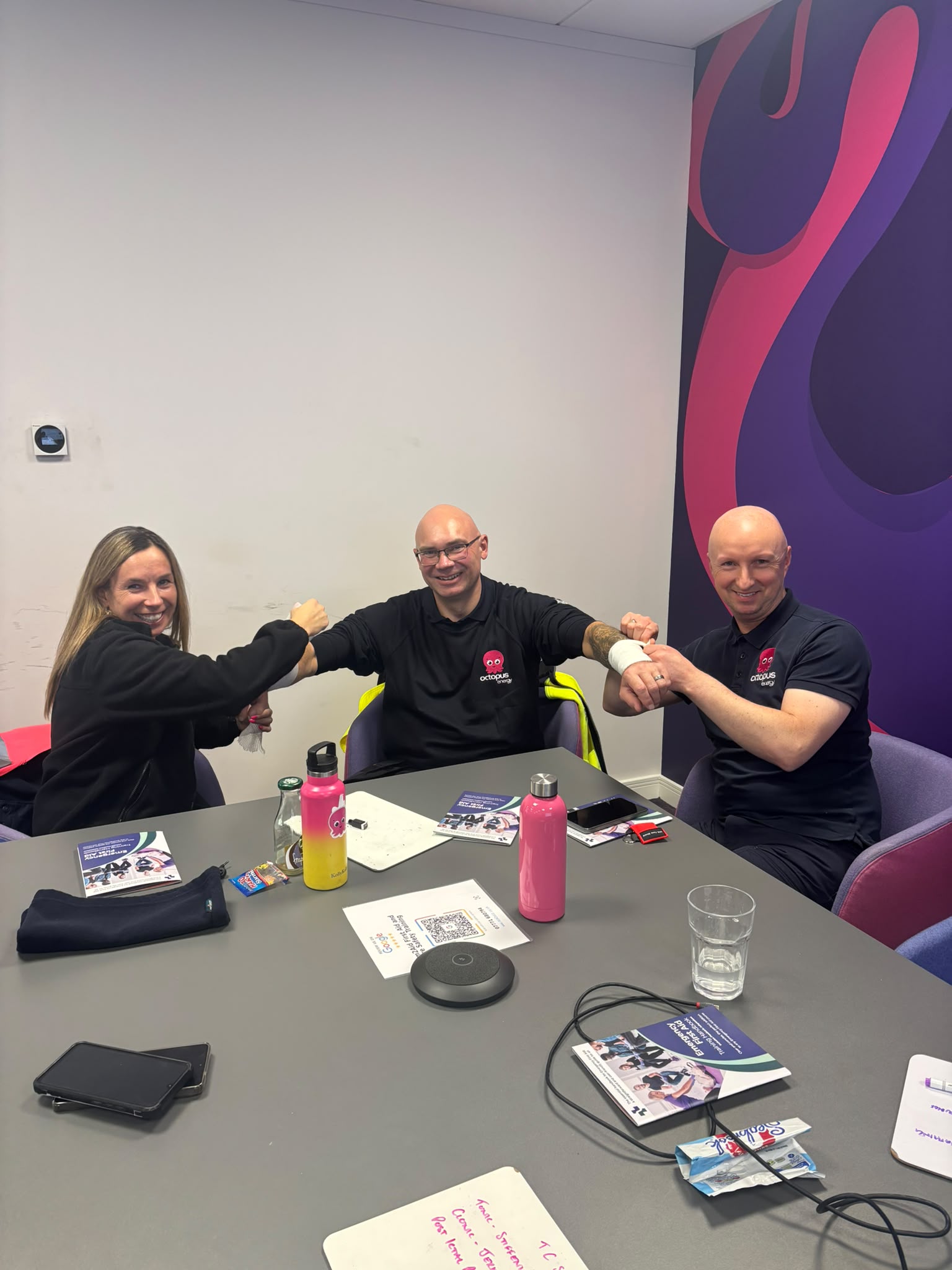
First aid does not end when the ambulance leaves. Write down what happened and what you did while it is fresh, record it in the accident book, restock the kit and check the defibrillator is ready. Then talk the incident through with anyone involved, because witnessing a serious injury can stay with people, which is exactly where mental health first aid earns its place.
Skills fade between incidents, so plan refreshers before certificates run out. If you want first aid training close to home in Berkshire and the surrounding areas, our DBS-checked trainers come to your premises, so your team learns the rules where they would use them. Rebecca leads our in-house trainers, who bring over 50 years' combined experience from the medical and emergency services, aviation, education and leisure. Tell us your headcount and the cover you need, physical, mental health or both, and we will recommend the course that fits.
Book Aim2Aid First Aid and Fire Safety Training to teach your team the three aims and four rules, for body and mind, at your own premises.