You want to know how much of the working day this costs you before you book anything, so here it is up front, in hours, delegates and years on the certificate.
In Short
- Emergency first aid at work is one day, about six hours of contact time.
- Up to 12 delegates can sit the same course, so a whole team can be done in a day.
- The certificate lasts three years before requalification is needed.
- Blended delivery is an option: online theory plus the practical in person at your premises, same duration and compliance.
- Paediatric content is included in our EFAW at no extra cost.
- A first aid needs assessment decides whether EFAW is enough or the longer qualification is required for some staff.
Aim2Aid Ltd trains at your own premises across Berkshire and surrounding areas, with in-house trainers who are never outsourced and over 50 years of combined experience behind them. Whether you need emergency first aid at work or emergency first aid at work in Milton Keynes, we cover the whole area.
Tell us your headcount and your quietest day, and we will confirm the hours and the date.
How many hours is emergency first aid at work?
Emergency first aid at work is a one day course of about six hours, with up to 12 delegates on it, and the certificate it earns you lasts three years before a requalification is due.
That is the honest answer, and it is the same answer whether the course runs on a Monday in a warehouse mess room or a Friday in a site cabin. Six hours or so of contact time, one working day out of the diary, and three years of cover on the paperwork. Everything else in this article is about what those hours actually contain, why they are set where they are, and how the day fits around a working crew rather than fighting it.
Ring Aim2Aid First Aid and Fire Safety Training on 07771 680794 and we will slot your six hour EFAW day into the week that costs your crew the least.
What the six hours actually cover on the day
Six hours sounds short until you see how tightly it is packed. There is no filler on an EFAW day. The syllabus runs through the role and responsibilities of a first aider, assessing an incident, managing an unresponsive casualty who is breathing and one who is not, CPR and the use of a defibrillator, choking, seizures, shock, bleeding, and the minor injuries that make up most of what a first aider on a working site ever deals with: burns, small wounds, and knocks that need judging rather than panicking over.
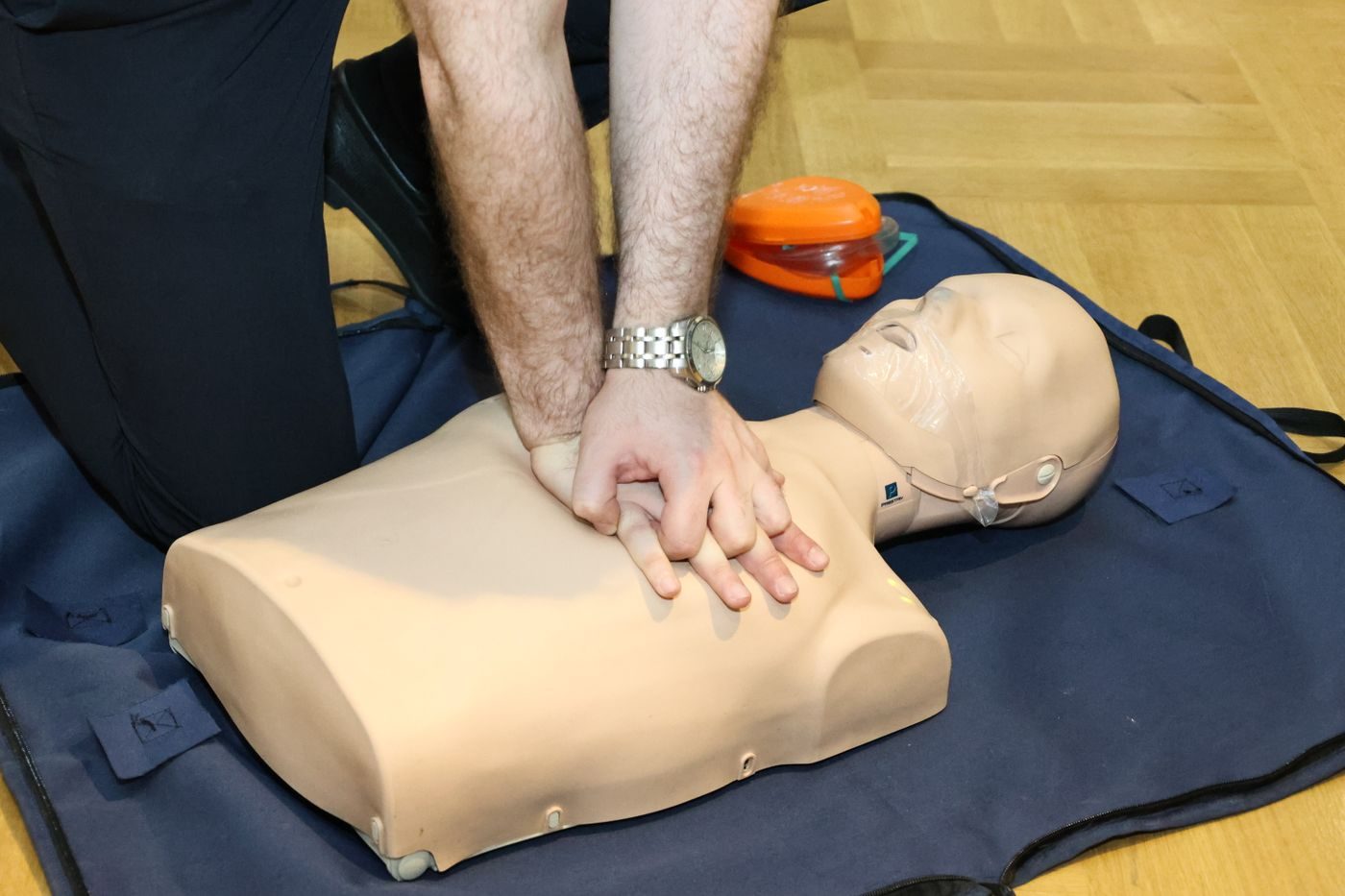
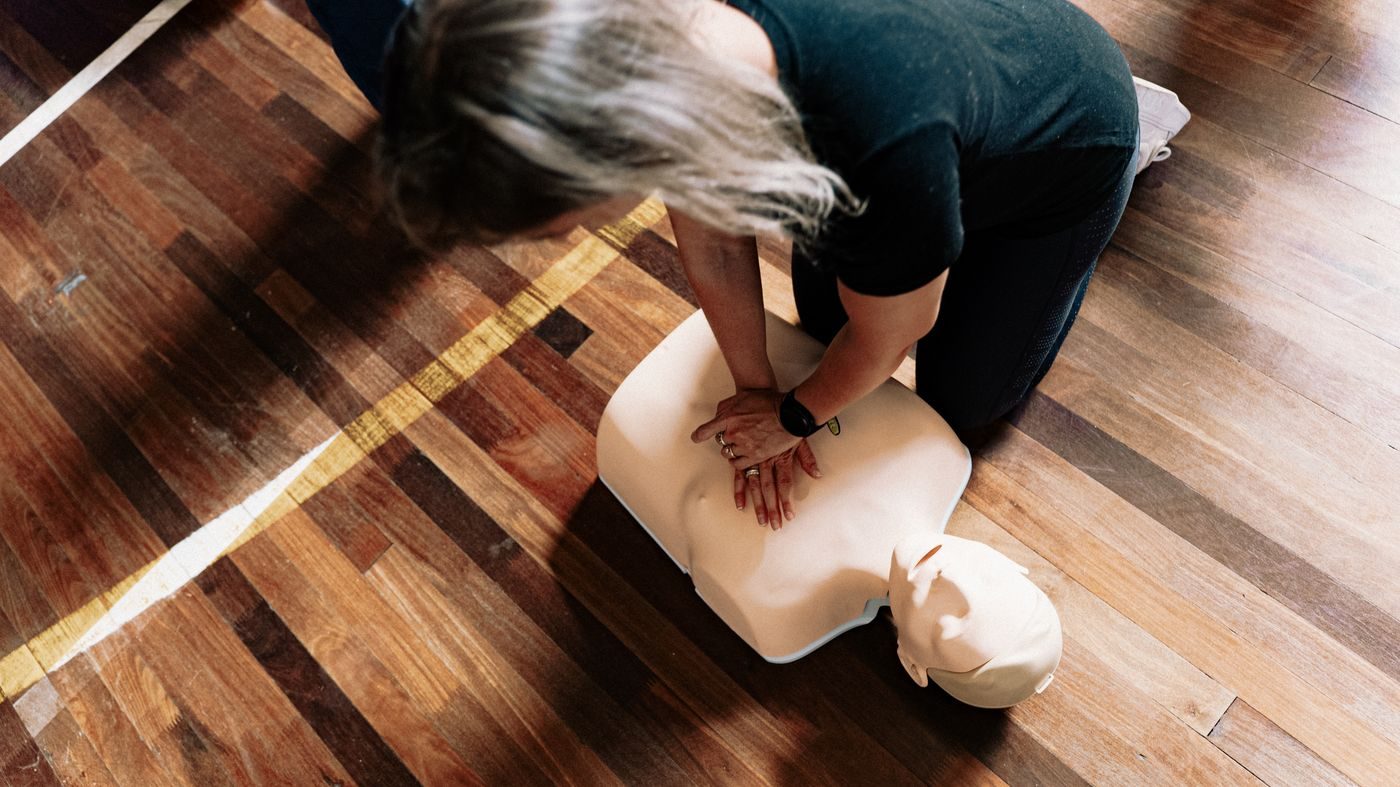
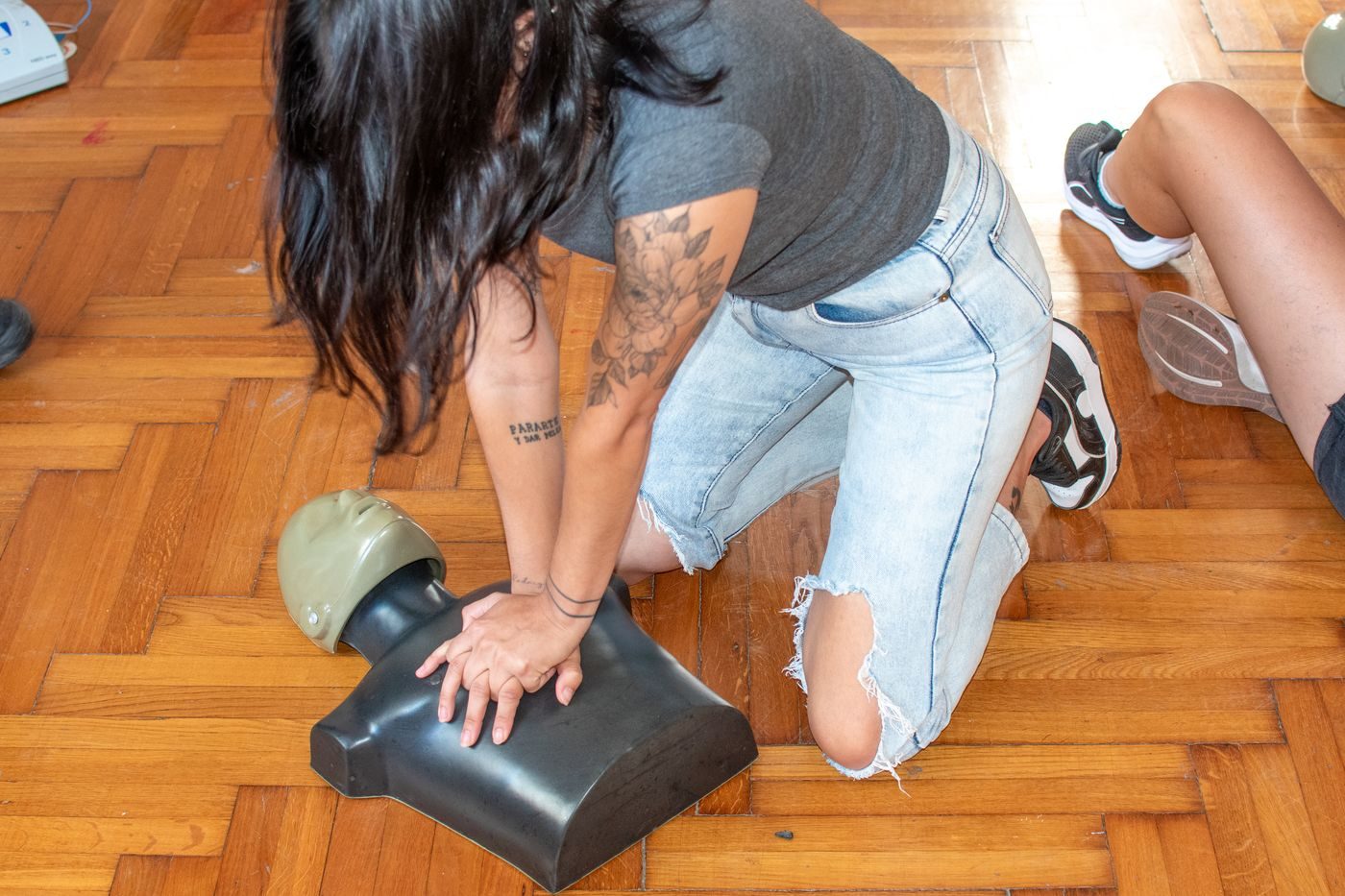
Most of it is hands on. Delegates get down on the floor with a manikin, do compressions until they know what the right depth feels like in their own arms, put a dressing on properly rather than watching someone else do it, and run a scenario or two where nobody tells them what the answer is. That is the point of the practical time. A first aider who has only listened to a talk hesitates. One who has already done it twice on a mat does not.
Assessment is continuous through the day rather than an exam at the end, so nobody sits there dreading a paper. Whether you need emergency first aid at work or emergency first aid at work services Reading, we cover the whole area, and the content of the day does not change from one workplace to the next. The hours are fixed by the qualification, not by the room.
Ring Aim2Aid First Aid and Fire Safety Training on 07771 680794 and we will slot your six hour EFAW day into the week that costs your crew the least.
Why the duration is set at one day and what the certificate carries
The six hour figure is not a number a training provider picked. EFAW is a nationally recognised qualification with a set minimum contact time, and the three year certificate life sits alongside it. Cut the hours and you have not got the qualification, you have got a talk. That matters at audit, and it matters far more if something serious ever happens and somebody asks what training your appointed first aider actually held.
How many first aiders you need, and whether EFAW is enough for you or whether the fuller three day First Aid at Work qualification is the right call, comes down to a first aid needs assessment of your own workplace. Health and Safety Executive (HSE) guidance sets out how to work that through: your hazards, the number of people on site, shift patterns, lone working, how far you are from help. Low hazard workplaces with modest numbers commonly land on EFAW. Higher risk sites, or ones with a lot of staff, often need the longer qualification for some of the team and EFAW for the rest.
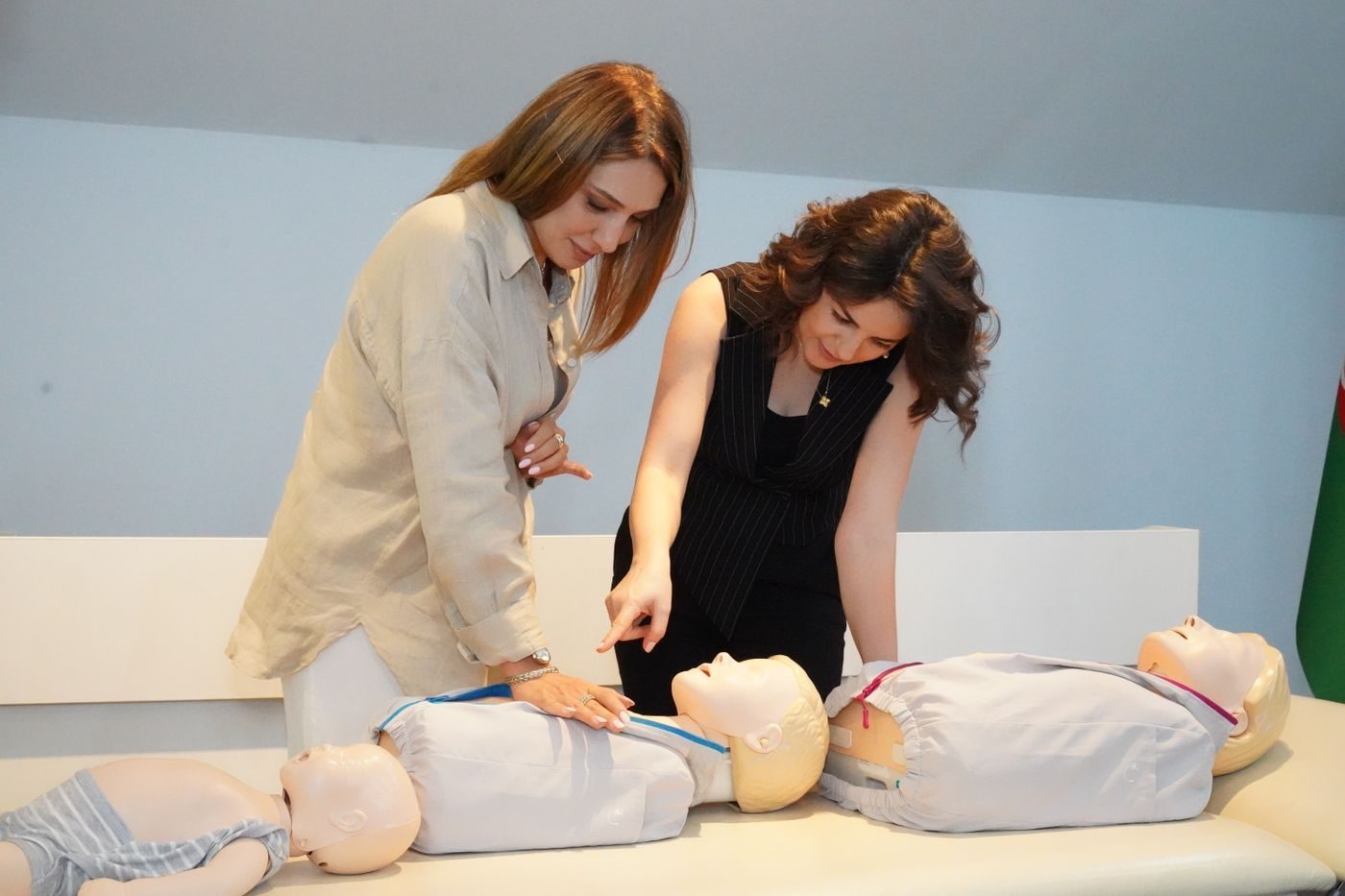
A point worth knowing about our EFAW: paediatric content is included at no extra cost. If you have staff who deal with children, whether that is a customer facing unit, a club or a family run business where the kids are about, that cover comes as part of the day rather than as an upsell. Whether you need emergency first aid at work or emergency first aid at work services Windsor, we cover the whole area, and that inclusion applies wherever we train you.
Blended delivery keeps the practical hours and moves the theory
Not everybody can lose a full day off the tools in one block. Blended delivery is an option: the theory element is completed online in the delegate's own time, and the practical element is done in person at your premises. The qualification is the same, the compliance is the same, and the certificate still runs for three years. What changes is how the day sits in your week.
The practical part is the part that cannot be shortcut, and we do not try to. Compressions, defibrillator use, recovery position, bleed control and the scenario work all still happen face to face with a trainer watching and correcting. What blended does is take the classroom-only material out of the room so the contact time is spent on the things that need hands, eyes and feedback.
Either route is valid, and plenty of employers run a mix: blended for the office side, the straight one day emergency first aid at work course for a crew who would rather get it all done in one go and be finished. Rebecca will tell you which suits your rota if you describe how your week actually runs. There is no advantage to us in one over the other.
Fitting the hours around a working week for your staff
Training is delivered at your premises, which removes the travel, the parking and the half day lost either side of a trip somewhere else. Up to 12 delegates per course means a decent chunk of a team can be certificated in a single day rather than dribbling through in ones and twos over a season.
Practical points that make the hours land better for your business:
- Pick a genuinely quiet day. A crew being pulled out for phone calls loses the practical repetition that makes the training stick.
- Fill the numbers. Twelve places is twelve places. Bringing in the supervisor who has never held a certificate costs nothing extra in course time.
- Stagger renewals deliberately. Three year certificates all expiring in the same fortnight leaves you thin. Splitting them across two courses keeps cover on site at all times.
- Sort the space in advance. Floor room for manikins, somewhere to sit, and a kettle. That is genuinely the list.
- Say if paediatric matters. It is included regardless, but telling us means the scenarios reflect the people your staff really deal with.
Our trainers are in-house and never outsourced, with Rebecca Sullivan leading them, and between them they hold over 50 years of combined experience. The first aid courses are accredited by FAIB, and the mental health courses are accredited by FAA, so the certificate your staff walk away with is the recognised one. If you want a straight answer about how many hours your workplace needs and how many of your people should sit the course, say what you do and we will tell you plainly.
Ring Aim2Aid First Aid and Fire Safety Training on 07771 680794 and we will slot your six hour EFAW day into the week that costs your crew the least.