The clock on a first aider course is set by the level of risk in your workplace, not by the trainer, and knowing the real hours makes planning cover straightforward.
In Short
- Emergency First Aid at Work is one day, around six hours, for up to 12 delegates, with a three-year certificate.
- Higher-risk workplaces need the fuller first aid at work qualification, which runs across additional days.
- Blended delivery puts the theory online and the practical at your venue without changing the duration or the compliance position.
- Requalification before your certificate lapses is shorter than sitting the original course again.
- Training at your own premises means the full six hours goes on training rather than travel.
Whether you need first aid courses and training or first aid course services Milton Keynes, we cover the whole area, with in-house trainers who are never outsourced, over 50 years of combined experience between them, FAIB accreditation on the first aid courses and FAA accreditation on the mental health courses.
Call 07771 680794 to talk through the right course length for your team.
How long is a trained first aider training course?
How long a trained first aider training course runs depends on the level you need. Emergency First Aid at Work is one day, around six hours, for up to 12 delegates, with a three-year certificate. Fuller first aid at work training runs across more days, and requalification takes less time than the original course.
Ring Aim2Aid First Aid and Fire Safety Training on 07771 680794 and we will map the course length, delegate numbers and renewal dates around your rota.
The one-day route covers most workplaces
For the majority of low-risk workplaces, offices, shops, salons, small sites and light workshops, the one-day Emergency First Aid at Work course is the course being asked about. It is one day, about six hours of contact time, capped at up to 12 delegates, and the certificate lasts three years. Six hours sounds short until you are in the room. There is no dead time in it, because the day is built around the things that actually kill people at work: an unresponsive casualty, a blocked airway, a serious bleed, a choking adult, shock, and knowing when to stop assessing and start calling 999.
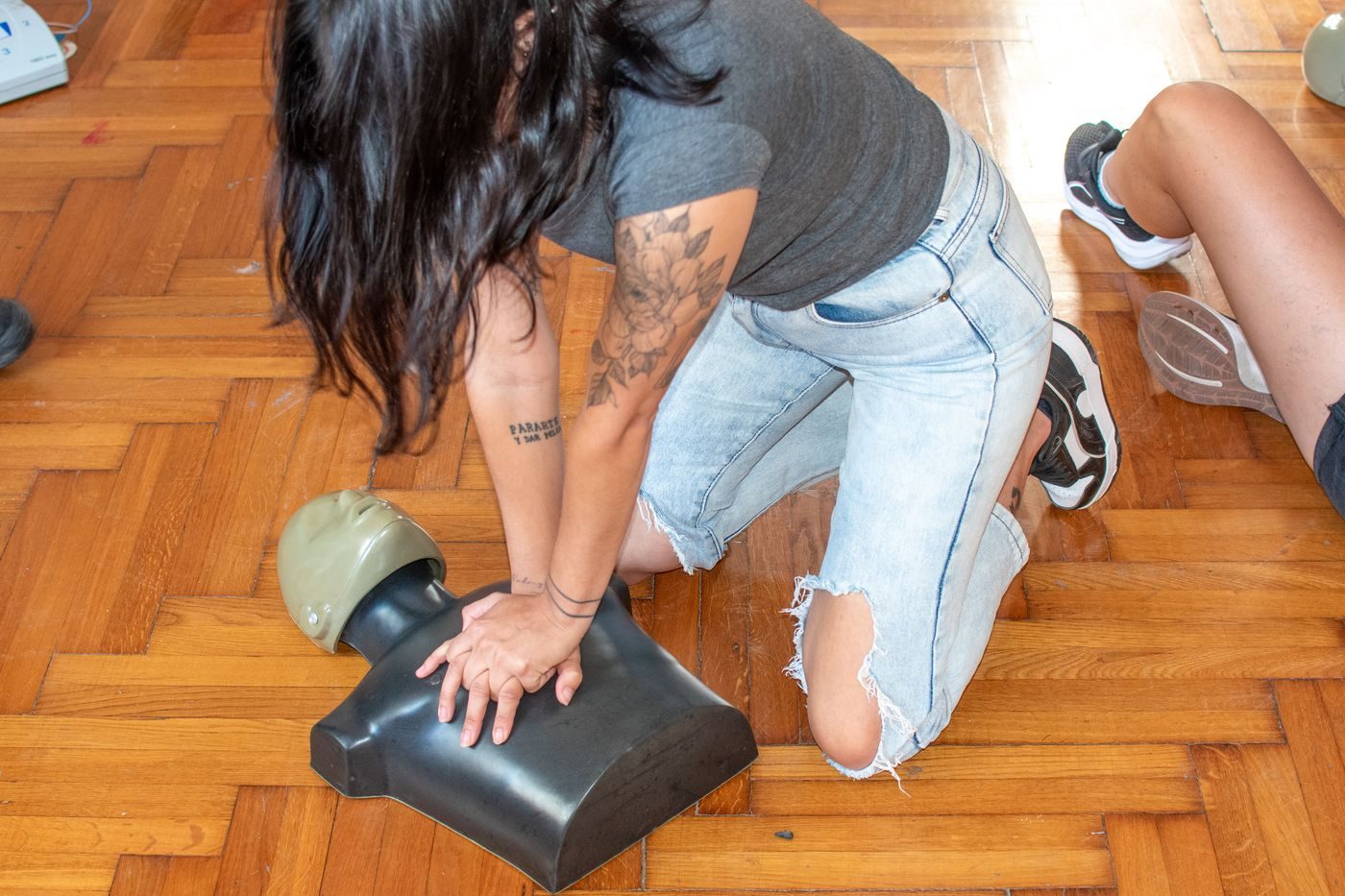
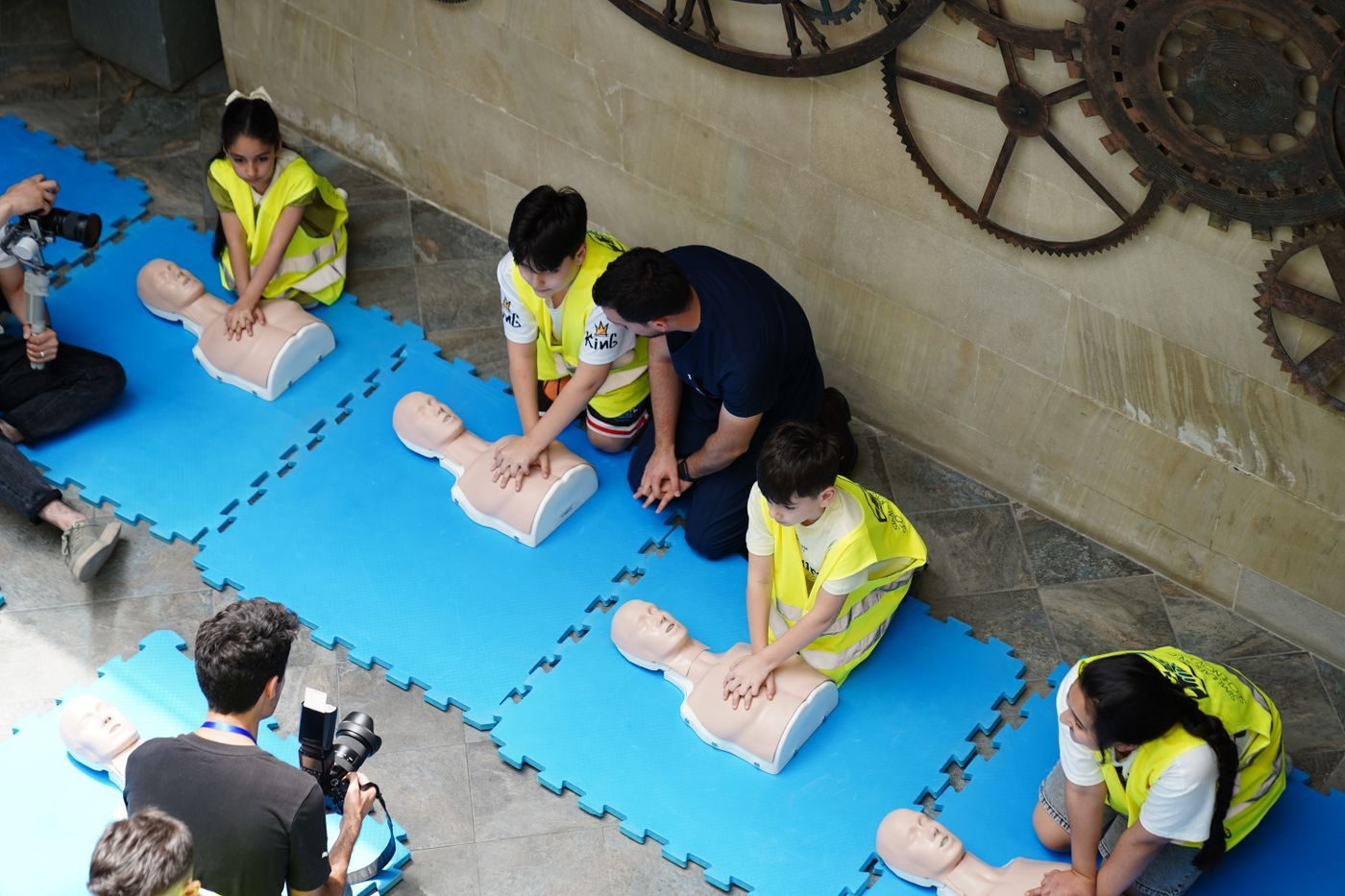
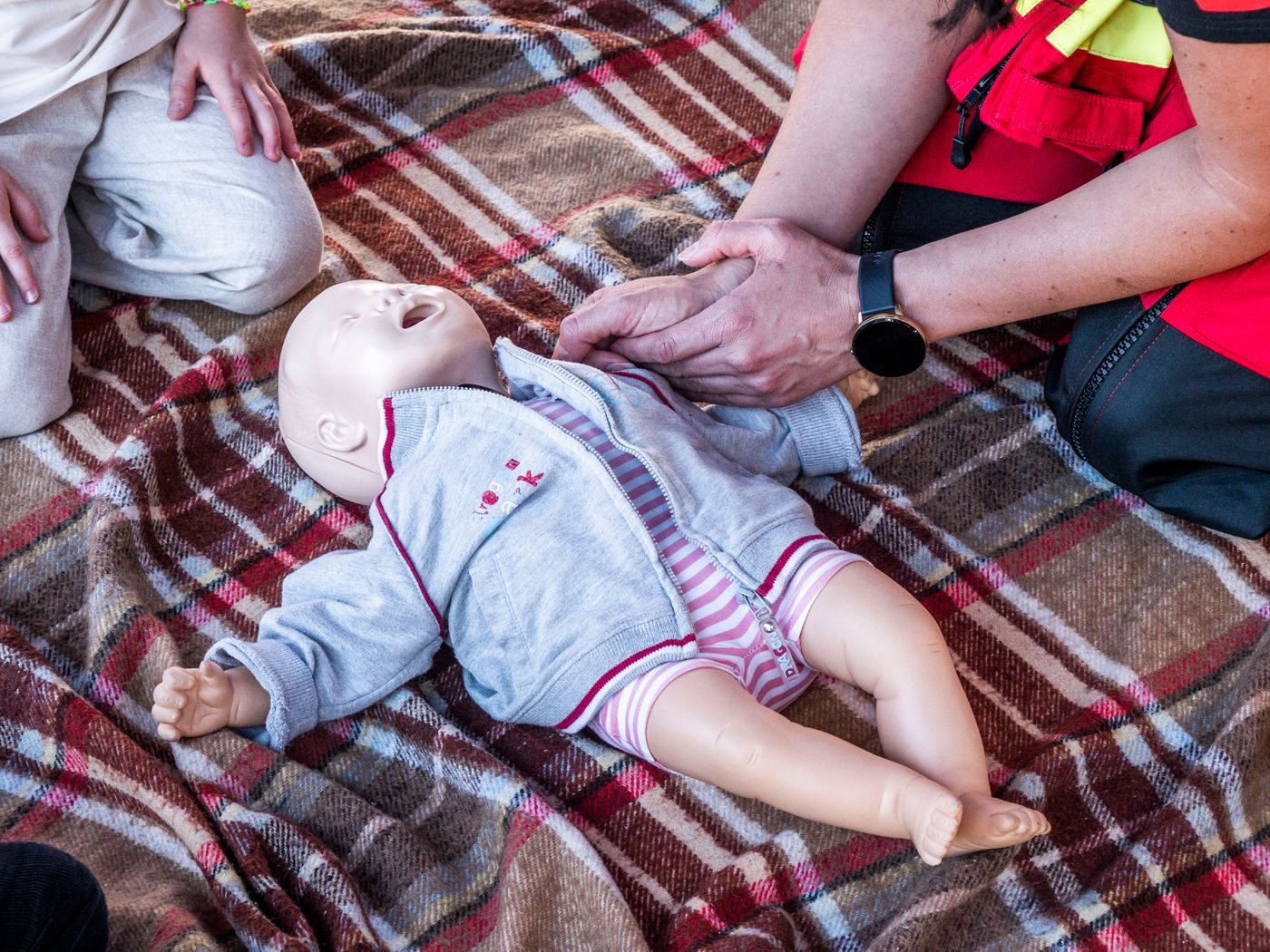
The reason the delegate cap matters as much as the clock does is simple. Twelve people in six hours means every single person gets hands on a manikin, gets corrected, and does compressions until they are doing them properly rather than politely. Pack twenty into the same six hours and the maths stops working. That is why we hold the cap.
Whether you need first aid courses and training or first aid courses and training in Reading, we cover the whole area, so the day fits around your shift pattern rather than the other way round.
Because we deliver at your premises, the six hours is six hours of training. Nobody is losing an hour each way travelling to a training centre, and nobody comes back from lunch late because they went off site. Staff finish, get changed and are already where they need to be.
Longer courses exist for higher-risk work
If your work involves machinery, heights, confined spaces, chemicals, sharp tooling or lone working, one day is usually not the right answer. The fuller first aid at work qualification runs over more days and goes considerably deeper: spinal and head injury, fractures and dislocations, burns, eye injuries, poisoning, chest pain, asthma, anaphylaxis, diabetic emergencies and seizures. It also spends far more time on casualty assessment, because on a busy site the hard part is rarely the treatment, it is working out what you are actually looking at.
The Health and Safety Executive (HSE) sets out that the level of first aid provision comes from a needs assessment of your own workplace, not from a fixed rule applied to every business. That assessment is what tells you whether you want one-day cover, the fuller qualification, or a mix of both across your team. In practice most firms with mixed risk end up with a couple of people holding the longer qualification and the rest holding the one-day certificate.
Whether you need first aid courses and training or first aid courses and training in Windsor, we cover the whole area, and we will talk through which level actually suits the work your staff do before anything is booked.
Requalification is shorter than the original. Certificates run three years, and coming back before they lapse keeps you on the shorter refresher route rather than starting from scratch, which is the cheapest way to keep the paperwork straight in terms of hours off the tools.
Blended delivery shortens the time on site
Blended delivery is an option where the classroom day matters but the diary is tight. The theory is completed online in advance, in people's own time, and the practical element is delivered at your venue. For Emergency First Aid at Work the compliance position does not change: it remains one day, around six hours, up to 12 delegates, and a three-year certificate. What changes is how that time is distributed across the working week.
Blended suits some teams and not others. It works well where staff are comfortable working through material on a screen and where you cannot afford to lose a whole shift in one hit. It works less well where English is a second language for part of the team, or where people simply learn better with a trainer in front of them answering questions as they arise. Say so when you enquire and we will be straight with you about which way round to do it.
- Emergency First Aid at Work: one day, about six hours, up to 12 delegates, three-year certificate.
- Blended option: online theory beforehand plus the practical at your venue, same duration and same compliance.
- Higher-risk work: the fuller first aid at work qualification over additional days.
- Requalification: shorter than the initial course, provided you renew before the certificate expires.
Ring Aim2Aid First Aid and Fire Safety Training on 07771 680794 and we will map the course length, delegate numbers and renewal dates around your rota.
What the timings mean for planning your cover
The practical question behind the duration is nearly always the same: how much production time am I losing. One day per person, once every three years, is the honest figure for the one-day certificate. Split across a rota it is barely visible. A team of twelve trained in a single session means one day of disruption rather than twelve separate ones, which is the argument for training on site as a group rather than drip-feeding people through.
If you are looking for a first aid course close to home somewhere in Berkshire and surrounding areas, our trainers come to you, so the travelling is on us. All our trainers are in-house and never outsourced, with Rebecca Sullivan leading them, and between them they hold over 50 years of combined training experience. That matters to the timings, because an experienced trainer keeps a six-hour day moving without cutting anything out of it.
Our first aid courses are accredited by FAIB, and our mental health courses are accredited by FAA, so the certificate your staff walk away with stands up when it is inspected. Rebecca will happily go through the duration, the delegate numbers and the certificate dates for your own team before you commit to anything, and she will tell you if a shorter course is genuinely enough for the risks you carry rather than selling you a longer one.
Ring Aim2Aid First Aid and Fire Safety Training on 07771 680794 and we will map the course length, delegate numbers and renewal dates around your rota.